
Gate valve
Fully open or fully closed isolation for water, steam, oil and process lines.
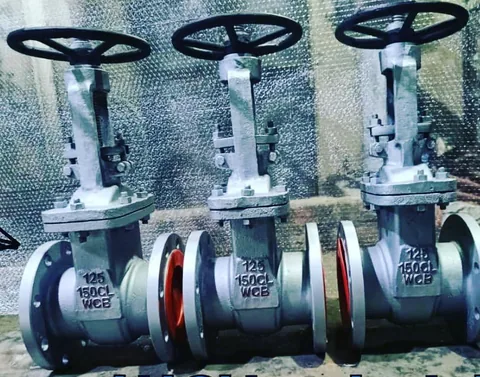
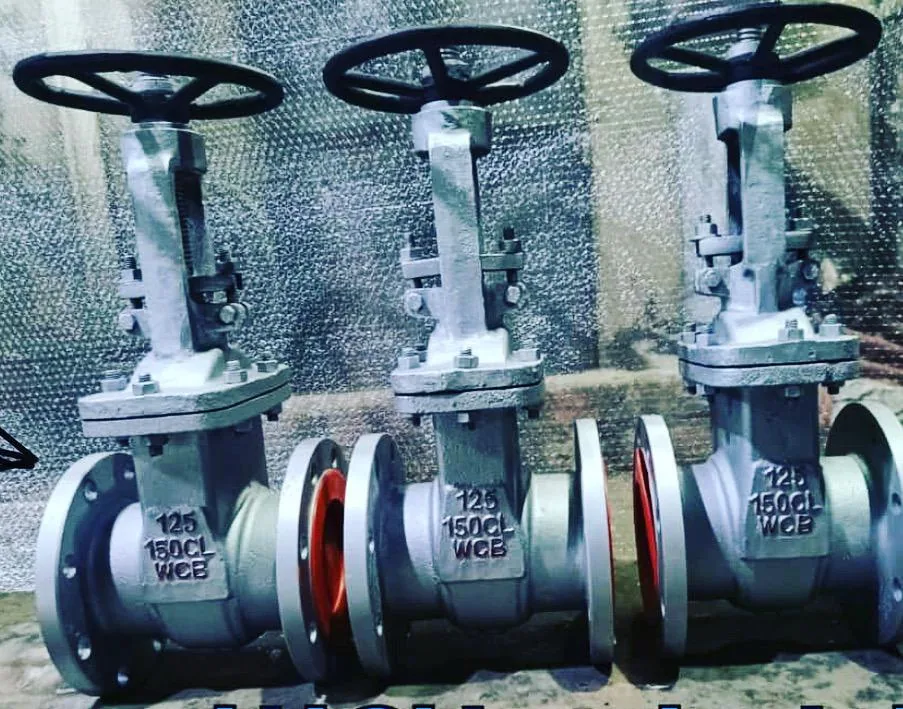
1 / 5
Also called: wedge gate valve, isolation valve, OS&Y gate valve, flanged gate valve, RSV valve
- Since 2019
- GST registered
- MSME (Udyam) registered
- ISO 9001:2015 certified
Delivery across Mumbai, Thane and Navi Mumbai; supply all over India.
What it is
A gate valve opens and shuts a line by raising or lowering a gate (wedge) across the flow. Fully open, the gate is clear of the bore, so the flow passes straight through with very little pressure loss. It is the usual valve for isolating a pipeline, pump or piece of equipment.
A gate valve is meant to be either fully open or fully closed, not to control flow. Tell us the size, pressure class, body material, stem type, ends and how it is operated, and the fluid and temperature it will handle.
Range we supply
| Size range | 15 mm to 1200 mm (range depends on material and standard) |
|---|---|
| Body material | Cast iron, ductile iron, cast steel |
| Types | Rising stem, non-rising stem, resilient seated (RSV) |
| Ends | Flanged or butt-weld |
Tell us the size, pressure class, material and ends you need and we will confirm availability.
Types
The common types. Tell us the one your job needs.
Stem
- Rising stem (OS&Y)Outside screw and yoke: the stem rises as the valve opens, so you can see at a glance whether it is open. The thread stays out of the fluid.
- Non-rising stem (NRS)The stem turns but does not rise. Needs less headroom, so it suits buried valves and tight spaces.
Seat and wedge
- Resilient seated (RSV)Rubber-covered wedge sealing against a smooth bore. Shuts bubble-tight; used on water lines.
- Metal seatedMetal wedge and seat rings, for higher temperatures and harder service.
- Solid wedgeOne-piece wedge: simple and strong, for general service.
- Flexible wedgeSlotted wedge that flexes with temperature changes, so it does not stick on steam and hot lines.
Body material
- Cast ironWater, sewage and other low-pressure, normal-temperature services.
- Ductile ironStronger and less brittle than cast iron; widely used on water mains.
- Cast steelFor example ASTM A216 WCB. For steam, oil, gas and higher pressures and temperatures.
Ends
- FlangedBolts to flanged pipework. The usual end for cast iron and ductile iron valves.
- Butt-weldWelded into steel pipelines, for high-pressure and high-temperature lines.
Operation
- HandwheelTurned by hand. The usual choice for small and medium sizes.
- Gear-operatedA bevel gearbox makes large valves (usually above about 300 mm) easy to turn by hand.
- ActuatedElectric (motorised) or pneumatic actuator, for remote or automatic open and close.
Grades and standards
Standards buyers commonly specify. Quote the one in your specification.
- API 600
- Steel gate valves with flanged and butt-welding ends and bolted bonnets.
- BS 5163
- Double-flanged cast iron and ductile iron gate valves for waterworks.
- IS 14846
- Cast iron sluice (gate) valves for water works purposes.
- AWWA C509 / C515
- Resilient-seated gate valves for water supply service.
- ASME B16.34
- Pressure–temperature ratings, design and testing of steel valves.
- ASME B16.10
- Face-to-face and end-to-end dimensions of valves.
- API 598
- Inspection and pressure testing of valves.
- ASME B16.5
- Flange dimensions and drilling for Class-rated (Class 150, 300, 600) valves.
- EN 1092 / IS 1538
- Flange drilling for PN-rated (PN 10, PN 16) cast iron and ductile iron valves.
Where it is used
Services
- Raw and treated water
- Sewage and wastewater
- Fire-fighting water
- Irrigation water
- Steam (cast steel valves)
- Oil and process lines
Industries
- Waterworks and distribution
- Water and sewage treatment plants
- Irrigation schemes
- Fire protection systems
- Power and process plants
Makes we can source
On request: L&T (Audco), KSB, Kirloskar, Zoloto and others.
S.K Trading & Co. is an independent supplier and stockist. Brand names and trademarks belong to their respective owners; we are not an authorised dealer of the brands listed.
Documents with the order
- Maker's test certificate supplied where available. Ask when you order.
Common questions
What is the difference between a gate valve and a sluice valve?
Both shut off flow with a gate that moves across the bore. In India, "sluice valve" usually means a cast iron or ductile iron gate valve for water mains (for example to IS 14846). "Gate valve" is the wider name and also covers steel valves for steam, oil and process lines (for example to API 600).
Can a gate valve be used to control flow?
No. A gate valve should be fully open or fully closed. Left partly open, the flow wears the wedge and seats and the gate can vibrate. To throttle or regulate flow, use a globe valve or a butterfly valve.
Rising stem or non-rising stem: which should I choose?
A rising stem (OS&Y) valve shows whether it is open and keeps the stem thread out of the fluid, so it is common in plants and fire systems. A non-rising stem valve needs less height, so it suits buried valves and tight spaces.
What is a resilient seated gate valve?
A gate valve whose wedge is covered in rubber (usually EPDM) and seals against a smooth bore with no seat pocket. It shuts bubble-tight and does not trap dirt, so it is widely used on water and treated water lines.
What is the difference between PN16 and Class 150?
Both are pressure ratings from different standard systems. PN16 is the metric rating used with IS and EN standards, mostly on cast iron and ductile iron water valves. Class 150 is the ASME rating used on steel valves; the pressure it allows depends on the body material and temperature. The two are close but not the same, and their flange drilling differs, so tell us which one your line uses.
Do you give a test certificate?
The maker's test certificate is supplied where available. Ask for it when you order, and mention if your line needs IBR documents.
What is the delivery time?
It depends on the size, material and quantity, and on whether the valve is in stock. Send your list and we will confirm the delivery time with the quotation.
Do you supply outside Mumbai?
Yes. We deliver across Mumbai, Thane and Navi Mumbai, and supply all over India.
More isolation valves
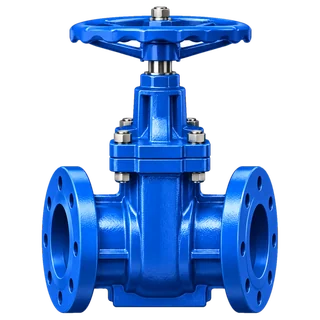 Valves · IsolationSluice ValveIsolation on water supply and sewage mains.
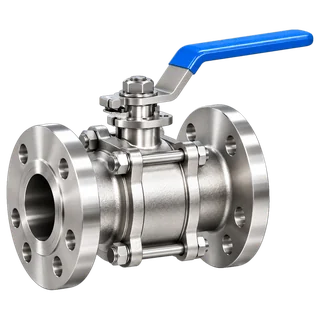 Valves · IsolationBall ValveQuick quarter-turn shut-off for water, gas, oil and chemicals.
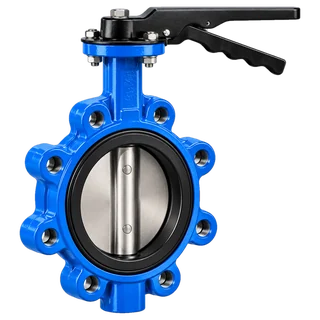 Valves · IsolationButterfly ValveLight, compact isolation for large water, HVAC and fire lines.
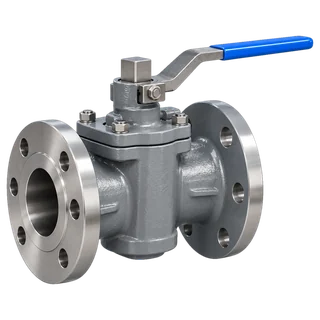 Valves · IsolationPlug ValveQuarter-turn shut-off and diverting for oil, gas, slurry and chemicals.
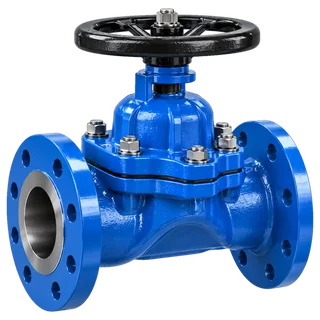 Valves · IsolationDiaphragm ValveLeak-tight valve for corrosive, slurry and clean process lines.
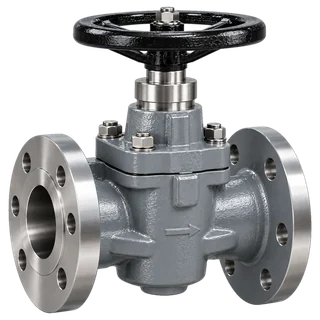 Valves · IsolationPiston ValveGlandless isolation for steam and hot water lines.
Used with
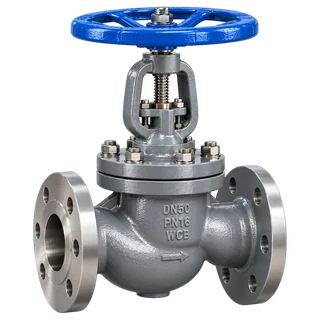 Valves · RegulatingGlobe ValveThrottles and regulates flow in steam, water and process lines.
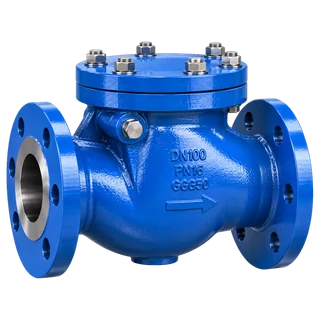 Valves · Non-returnSwing Check Valve (NRV)Stops backflow in pump discharge and pipelines.
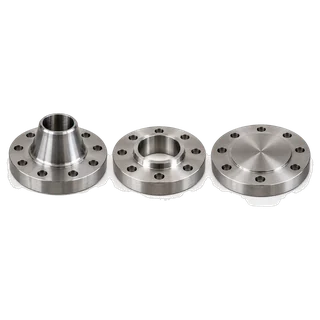 Fittings · FlangesStandard FlangesWeld neck, slip-on, blind and other flanges for bolted joints.
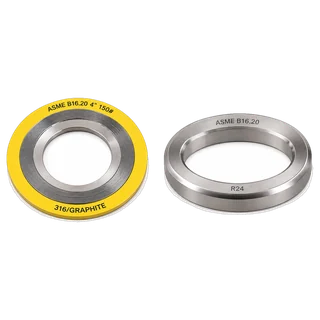 Fittings · Joint partsGasketsSeal flange joints: rubber, spiral wound, RTJ and more.
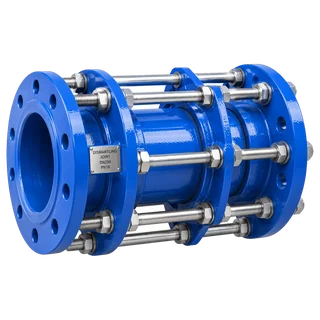 Valves · Line accessoriesDismantling JointLets valves and pumps be removed without cutting the pipe.
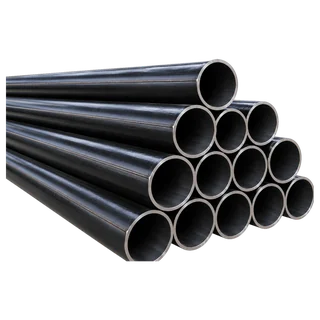 Pipes · WeldedMS ERW PipeGeneral pipe for water, gas, structural work and conduit.
Get an accurate quote, faster
Send these details with your enquiry, or simply send your BOQ. Add the fittings and valves you need to the same list.
Or email your list to admin@sktradingandco.in
 For valves, tell us
- Size (DN or inch)
- Pressure class
- Body material
- Stem type (rising or non-rising)
- End connection
- Operation (handwheel, gear or actuator)
- Fluid and temperature
- Quantity