
1 / 4
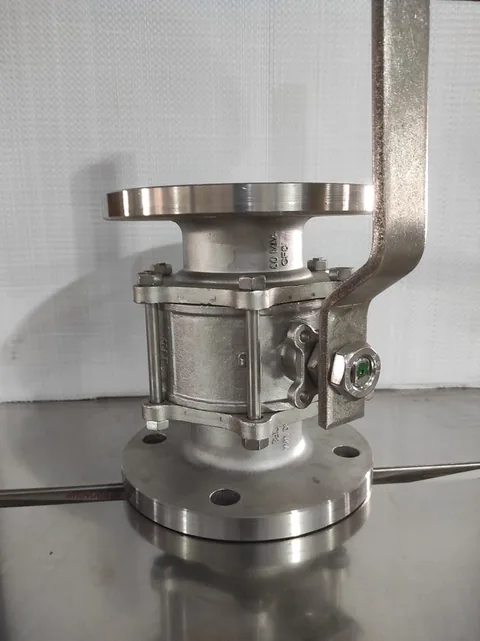
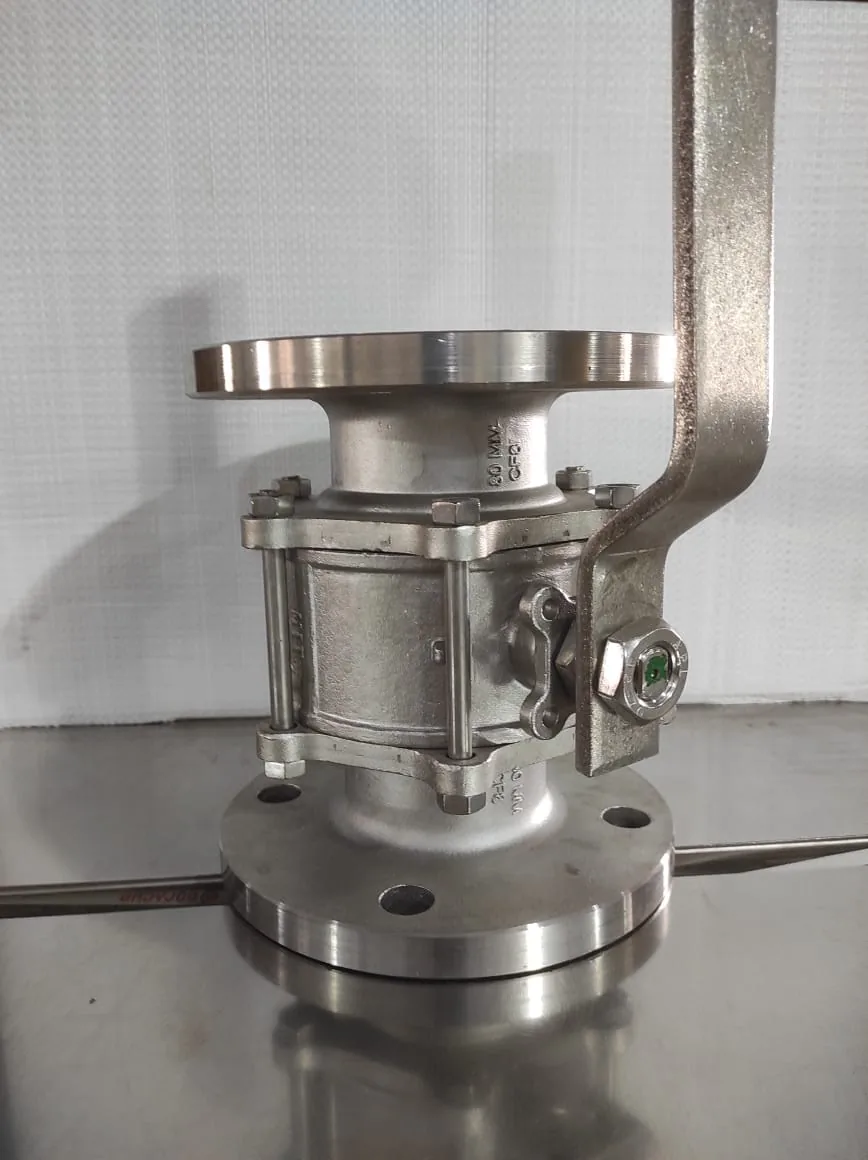
Also called: quarter-turn valve, SS ball valve, flanged ball valve, three-piece ball valve, full bore ball valve, trunnion ball valve
- Since 2019
- GST registered
- MSME (Udyam) registered
- ISO 9001:2015 certified
Delivery across Mumbai, Thane and Navi Mumbai; supply all over India.
What it is
A ball valve shuts off flow with a ball that has a hole through it. A quarter turn of the lever lines the hole up with the pipe to open the valve, or turns it across the pipe to close it. It opens and shuts quickly, seals tightly and needs little effort, so it is used on water, air, gas, oil and chemical lines.
Ball valves are made for on-off duty. Tell us the size, pressure class, body and seat material, end connection, bore (full or reduced) and how it is operated, with the fluid and temperature.
Types
The common types. Tell us the one your job needs.
Body material
- Stainless steel (CF8 / CF8M)Cast grades equal to SS 304 and SS 316, for water, chemicals and clean service.
- Carbon steel (WCB / A105)Cast or forged carbon steel for oil, gas, steam and process lines.
- Brass and bronzeSmall screwed valves for water, air and plumbing.
Ends
- ScrewedBSP or NPT threads, for small sizes.
- Socket weldWelded into small-bore steel lines.
- FlangedBolts to flanged pipework, with ASME (Class) or PN drilling.
- Butt-weldWelded into steel pipelines.
Construction
- One-pieceA single body with the ball inserted from one end. Compact and low cost, but it cannot be opened for repair.
- Two-pieceBody in two parts. The common design for general service.
- Three-pieceA centre section bolted between two end pieces. It can be swung out for cleaning or new seats without cutting the pipe.
Ball mounting
- Floating ballLine pressure pushes the ball onto the downstream seat. Used in small and medium sizes.
- Trunnion mountedThe ball is held by shafts at top and bottom, so it turns easily in large sizes and at high pressure.
Bore
- Full boreThe hole is the same size as the pipe. Lowest pressure drop, and the line can be pigged.
- Reduced boreThe hole is about one size smaller. Lighter and lower in cost where some pressure drop is fine.
Operation
- LeverQuarter turn by hand. The usual choice for small and medium sizes.
- Gear-operatedA gearbox and handwheel for large valves.
- ActuatedPneumatic or electric actuator, for automatic or remote operation.
Grades and standards
Standards buyers commonly specify. Quote the one in your specification.
- API 6D
- Pipeline and piping valves, including ball valves for pipeline service.
- API 608
- Metal ball valves with flanged, threaded and welding ends.
- ISO 17292
- Metal ball valves for petroleum, petrochemical and allied industries.
- BS 5351
- Older British standard for steel ball valves, still quoted in many specifications.
- ASME B16.34
- Pressure–temperature ratings, design and testing of steel valves.
- API 607
- Fire test for quarter-turn valves with soft seats.
- API 598
- Inspection and pressure testing of valves.
- ISO 5211
- Mounting flange for fitting actuators to quarter-turn valves.
Where it is used
Services
- Water and treated water
- Compressed air
- Natural gas and LPG
- Oil and fuel lines
- Chemicals
- Steam (with suitable seats)
Industries
- Oil and gas
- Chemical and pharmaceutical plants
- Water treatment
- Food and beverage
- HVAC and plumbing
- General engineering
Documents with the order
- Maker's test certificate supplied where available. Ask when you order.
Common questions
Full bore or reduced bore: which do I need?
A full bore valve has the same opening as the pipe, so the pressure drop is lowest and the line can be pigged. A reduced bore valve is about one size smaller inside and costs less. For most utility lines reduced bore is fine; for slurry, pigging or long lines choose full bore.
Can a ball valve be used to control flow?
Not for regular throttling. A standard ball valve left partly open wears its seats quickly. To control flow, use a globe valve or a control valve; V-port ball valves are also made for control duty.
Which seat material should I choose?
PTFE is the usual seat for water, air, oil and most chemicals. Reinforced PTFE (RPTFE) takes higher pressures and temperatures. Metal seats are used for high temperatures and abrasive service.
What is the difference between CF8 and CF8M?
Both are cast stainless steels. CF8 is the cast equal of SS 304, and CF8M of SS 316, which contains molybdenum for better resistance to chlorides and many chemicals.
What is a fire-safe ball valve?
A valve designed and tested (for example to API 607) to keep sealing after its soft seats are damaged by fire, using a metal back-up seal. Specify it for oil, gas and other flammable services.
Do you supply outside Mumbai?
Yes. We deliver across Mumbai, Thane and Navi Mumbai, and supply all over India.
More isolation valves
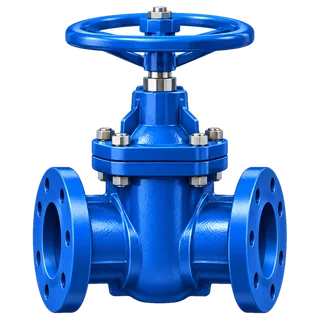 Valves · IsolationGate ValveFully open or fully closed isolation for water, steam, oil and process lines.
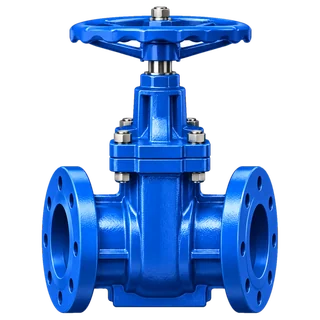 Valves · IsolationSluice ValveIsolation on water supply and sewage mains.
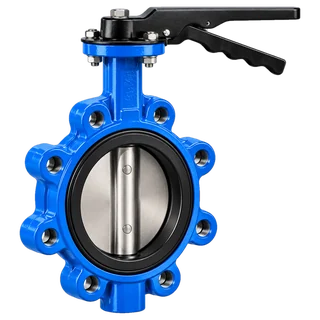 Valves · IsolationButterfly ValveLight, compact isolation for large water, HVAC and fire lines.
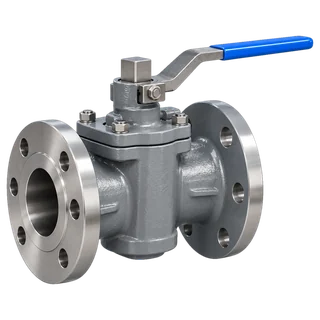 Valves · IsolationPlug ValveQuarter-turn shut-off and diverting for oil, gas, slurry and chemicals.
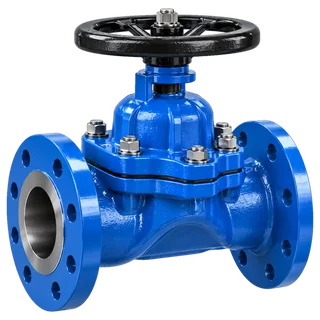 Valves · IsolationDiaphragm ValveLeak-tight valve for corrosive, slurry and clean process lines.
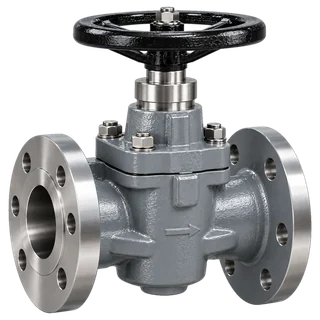 Valves · IsolationPiston ValveGlandless isolation for steam and hot water lines.
Used with
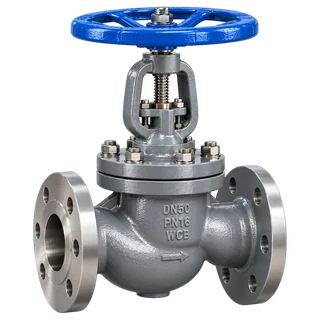 Valves · RegulatingGlobe ValveThrottles and regulates flow in steam, water and process lines.
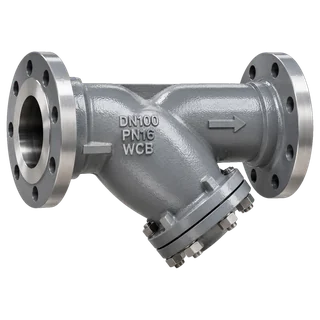 Valves · Line accessoriesY-Type StrainerCatches dirt to protect pumps, valves and meters.
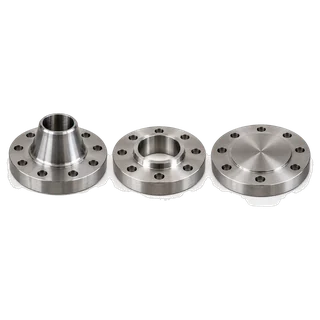 Fittings · FlangesStandard FlangesWeld neck, slip-on, blind and other flanges for bolted joints.
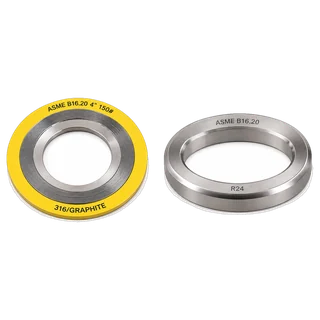 Fittings · Joint partsGasketsSeal flange joints: rubber, spiral wound, RTJ and more.
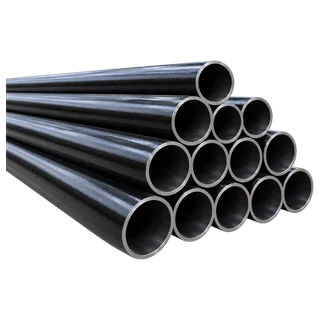 Pipes · SeamlessMS Seamless PipePipe with no weld seam for high pressure, steam, boiler and oil lines.
Get an accurate quote, faster
Send these details with your enquiry, or simply send your BOQ. Add the fittings and valves you need to the same list.
Or email your list to admin@sktradingandco.in
 For valves, tell us
- Size (DN or inch)
- Pressure class
- Body material
- Seat material
- End connection
- Bore (full or reduced)
- Operation (lever, gear or actuator)
- Fluid and temperature
- Quantity